
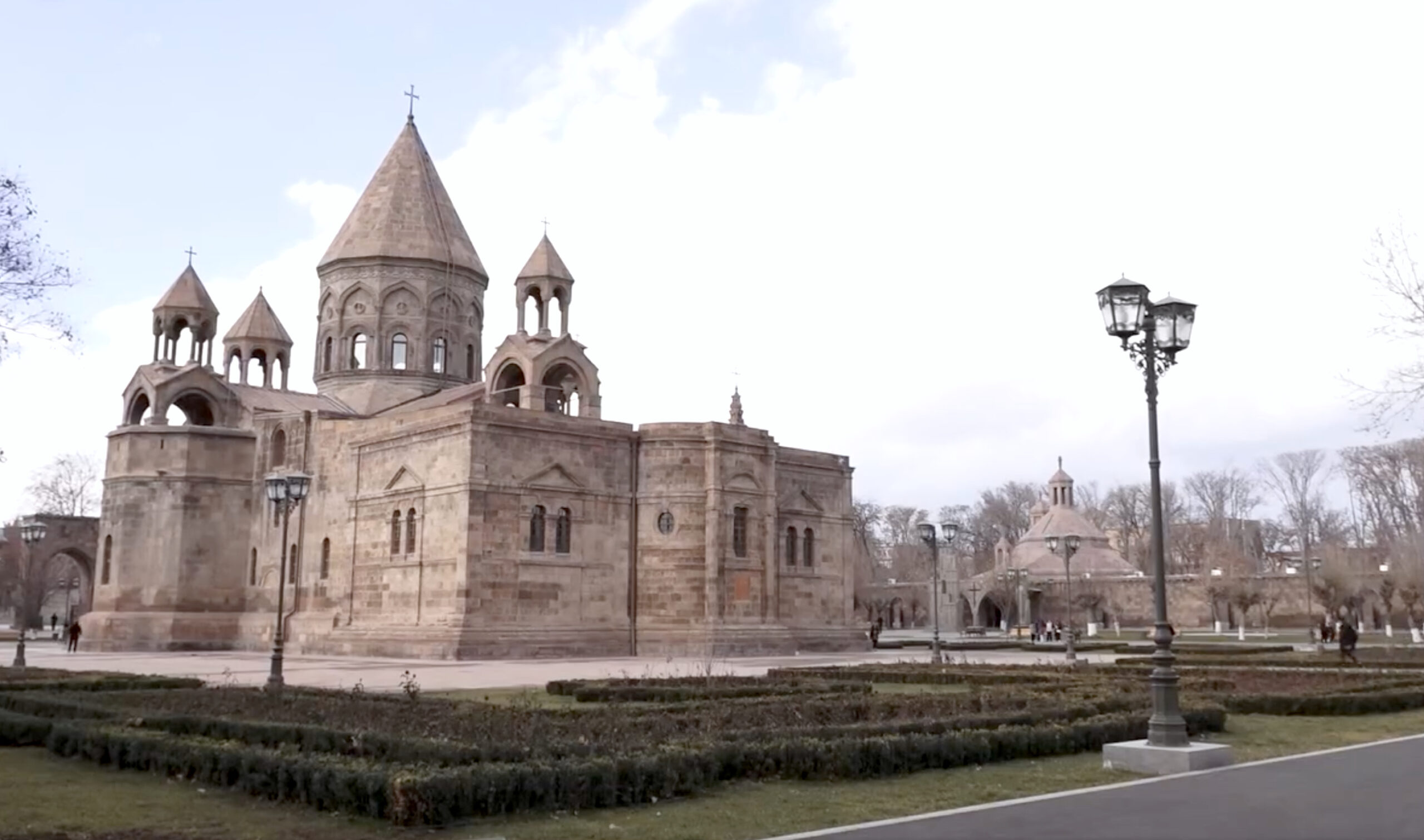
This week the Supreme Spiritual Council of the Armenian Church, under the presidency of His Holiness Karekin II, the Supreme Patriarch and Catholicos of All Armenians, issued a statement from the Mother See of Holy Etchmiadzin, which re-affirmed its April 9 appeal to the government of the Republic of Armenia to avoid pursuing a “defeatist” foreign policy in its negotiations with Azerbaijan.
Both statements address preparations made by the Armenian government, to withdraw from several villages in the country’s Tavush province (located at Armenia’s northeastern border) before official negotiations have been completed to demarcate territorial borders between the two countries. The villages have been under Armenia’s military control since the early 1990s; withdrawal would effectively surrender these territories to Azerbaijan.
The withdrawal is a subject of intense discussion throughout Armenia. Armenian Prime Minister Pashinyan has said the unilateral concessions are necessary to prevent Azerbaijani military aggression against Armenia. Opponents of the policy say the concessions will only encourage Azeris to demand more territory from Armenia.
The church’s position on the matter took on a special urgency this week when Archbishop Bagrat Galstanyan, Primate of the Tavush Diocese, announced that he would lead a protest march from the village of Kirants to Yerevan—a journey of 100 miles—so that the voices and legitimate concerns of the Tavush residents would be heard in the republic’s capital. Archbishop Galstanyan expects the protest marchers to reach Yerevan on May 9, but gave no details of any plans once there.
In its May 7 statement, the Supreme Spiritual Council asserts: “We urge all of our people to express their justifiable concerns and anxieties exclusively in peaceful ways; to show calm and restraint; and to refrain from illegal actions. Likewise, we expect that the services responsible for maintaining public order will work strictly within the confines of their role as stipulated in law.”
The Eastern Diocese fully supports the position of the Mother See of Holy Etchmiadzin, and its efforts to promote peaceful resolutions with an eye to justice for the Armenian faithful, and genuine security for our homeland.
That same spirit was strongly expressed by the delegates of the recent 122nd Diocesan Assembly, in their gracious reply to the message of His Holiness Karekin II: “Vehapar Der, we, the participants of the Diocesan Assembly, want to make a special point in today’s current situation that we are more than deeply concerned by events in Artsakh, Tavush, and other regions, where Armenians, our churches, and civilization are threatened by ongoing genocidal efforts. We support the heroic role our church continues to play during these difficult times. We want to thank you for your leadership and express to you our strong support in the role of our church in protecting our heritage and our people against the onslaught of forces from outside our Armenian Christian faith. We remain committed to our role in support and defense of the right of Armenians throughout the world.”
We pray that our merciful Lord Jesus will guide all of our people through the current troubling period, and bring lasting peace, justice, and security to our homeland.
Prayerfully,
Bishop Mesrop Parsamyan
Primate
* * *
Statement of the Supreme Spiritual Council
[May 7, 2024]
With this statement, the Mother See of Holy Etchmiadzin reaffirms its previously expressed position on the issue of unilaterally handing over territories from the Tavush region to Azerbaijan, and the unacceptable positions adopted by the authorities of the Republic of Armenia in the negotiations.
We consider the activities being carried out in the border region of Tavush, under the name of Delimitation and Demarcation* [see below], to be very dangerous; these activities are going forward without comprehensive security guarantees, and will inevitably result in new threats to our people. The situation thus created has inspired righteous indignation among Armenians around the world—particularly among the residents of the border communities of Tavush, who have responded by forming the civil movement “Tavush for the Homeland.”
Lately the clergy of the Diocese of Tavush, led by the diocesan leader, have addressed the existential challenge of the situation in their capacity as spiritual ministers. In accord with their spiritual vocation, they cannot remain indifferent and uncommunicative to the worries and needs of the people entrusted to their care.
We urge all of our people to express their justifiable concerns and anxieties exclusively in peaceful ways; to show calm and restraint; and to refrain from illegal actions. Likewise, we expect that the services responsible for maintaining public order will work strictly within the confines of their role as stipulated in law.
We also call on the authorities, as they undertake processes aimed at peace, to be guided by the legitimate demands of the people, and to seek approaches that will not increase threats to security, nor deepen feelings of insecurity and uncertainty in our society. Emphasizing the processes of Delimitation and Demarcation, we affirm that these efforts should seek to exclude a resumption of war; return occupied territories seized from Armenia; and guarantee the safe and undisturbed life of settlements.
Our national dignity, our loyalty to our native state, and our heritage of sacred values, must not succumb to hopelessness, intolerance, cowardice, hostility, or hatred.
The Armenian Church, having no ambition to political power, should continue to work in the consciousness of its historical responsibility for strengthening the homeland, protecting the identity and rights of our people, promoting unity and fraternity in national life, and contributing to the establishment and lasting peace in the region.
It is our earnest prayer that our Lord in Heaven will keep our country at peace, and fortify a spirit of love, solidarity, and unity in the lives of our people. Amen.
* * *
ՀԱՅՏԱՐԱՐՈՒԹՅՈՒՆ
ԳԵՐԱԳՈՒՅՆ ՀՈԳԵՎՈՐ ԽՈՐՀՐԴԻ
Տավուշի մարզից տարածքները Ադրբեջանին միակողմանիորեն հանձնելու իրողության և բանակցություններում ՀՀ իշխանությունների որդեգրած անընդունելի դիրքորոշումների առնչությամբ Մայր Աթոռ Սուրբ Էջմիածինը վերահաստատում է նախընթաց արտահայտված իր դիրքորոշումը։
Խիստ վտանգավոր ենք համարում առանց համապարփակ ու երաշխավորված լուծումների Տավուշի սահմանամերձ շրջանում սահմանազատման ու սահմանագծման անվան ներքո իրականացվող գործողությունները, որոնք նոր սպառնալիքներ են առաջացնում մեր ժողովրդի համար։ Ստեղծված կացությունն արդարացի ընդվզում է առաջ բերել աշխարհասփյուռ հայության և, մասնավորապես, Տավուշի սահմանամերձ համայնքների բնակիչների շրջանում՝ պատճառ դառնալով «Տավուշը հանուն հայրենիքի» քաղաքացիական շարժման սկզբնավորման:
Առկա գոյաբանական մարտահրավերներին հանդիման հոգևոր սպասավորները, տվյալ դեպքում` Տավուշի թեմի եկեղեցականները` թեմակալ առաջնորդի գլխավորությամբ, հավատարիմ իրենց հոգևոր առաքելությանն ու կոչմանը, չեն կարող անտարբեր մնալ ու անհաղորդ՝ իրենց խնամքին հանձնված ժողովրդի անհանգստություններին ու կարիքներին:
Մեր ժողովրդի զավակներին հորդորում ենք արդար մտահոգություններն ու անհանգստություններն արտահայտել բացառաբար խաղաղ ճանապարհներով և դրսևորել հանդարտություն ու զսպվածություն՝ զերծ մնալով հակաօրինական գործողություններից: Հասարակական կարգի պահպանության համար պատասխանատու ծառայություններից ակնկալում ենք բացառապես օրենսդրությանը խիստ համապատասխան գործելաոճ։
Կոչ ենք անում նաև իշխանություններին` անսալ ժողովրդի հիմնավոր պահանջներին և խաղաղությանն ուղղված գործընթացներում առաջնորդվել այնպիսի մոտեցումներով, որոնք չեն մեծացնի անվտանգային սպառնալիքները՝ խորացնելով մեր հանրության մեջ անպաշտպանվածության և անորոշության զգացումները: Կարևորելով սահմանազատման ու սահմանագծման գործընթացները՝ միաժամանակ հաստատում ենք, որ այդ աշխատանքները պետք է իրականացվեն պատերազմի բացառման, Հայաստանից բռնազավթված տարածքների վերադարձման և բնակավայրերի անվտանգ ու անխաթար կյանքի ապահովման երաշխիքների առկայության պայմաններում։
Ազգային մեր արժանապատվությունը, հայրենի պետության և սրբազան արժեքների հանդեպ նախանձախնդրությունն ու հավատարմությունը պետք չէ տեղի տան անհուսության, անհանդուրժողության և երկչոտության, թշնամանքի և ատելության առջև։
Եկեղեցին, չունենալով քաղաքական իշխանության հավակնություններ, պիտի շարունակի պատմական պատասխանատվության գիտակցությամբ ջանքեր ներդնել հանուն հայրենիքի և պետականության զորացման, մեր ժողովրդի ինքնության ու իրավունքների պաշտպանության, ազգային կյանքում միասնականության ու եղբայրսիրության ամրապնդման՝ նպաստելով տարածաշրջանում խաղաղության հաստատմանն ու ամրապնդմանը։
Մեր աղոթքն է, որ Երկնավոր Տերը խաղաղության մեջ պահի մեր երկիրը և մեր ժողովրդի կյանքից ներս զորացնի սիրո, համերաշխության ու միաբանության ոգին: Ամեն:
* * *
NOTE:
* To clarify two key technical terms as they are used in international law:
Delimitation of the national boundary is the process of legally establishing the outer limits (borders) of a state within which full territorial sovereignty is exercised. Delimitation legally formalizes the border in a treaty between adjoining states, with the border’s position being graphically plotted on a map and defined in a written description.
Demarcation of the national boundary is the process of physically marking the border between adjoining states on the ground, through the use of boundary markers.
Briefly put, “Delimitation” is the conceptualization of where a border begins and ends; “Demarcation” is the physical marking of that boundary.