
The steward is a figure who comes up in many of Jesus’ parables—a “stock character,” we might say, who would have been very recognizable to Christ’s listeners.
What did stewards do, in the time of Jesus? What made them so interesting to our Lord?
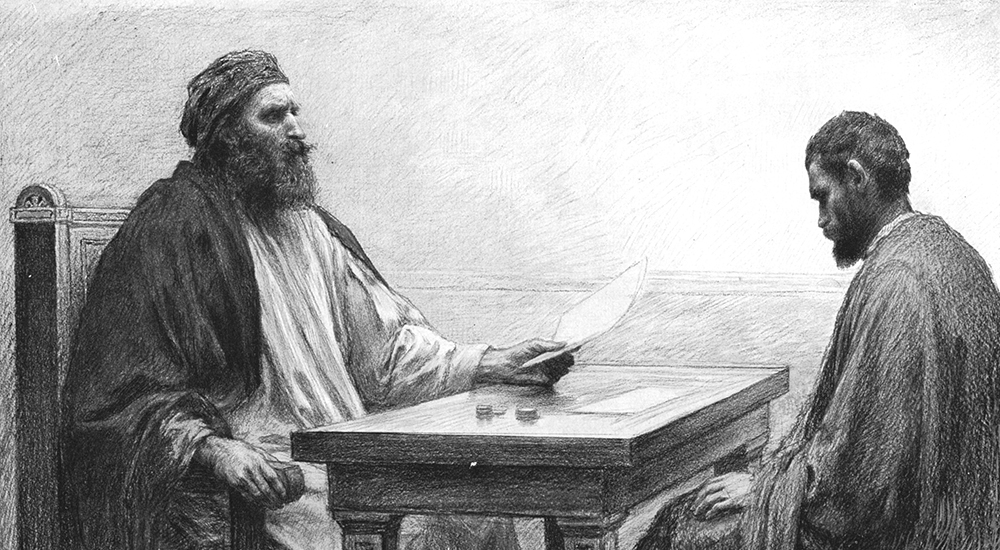
The steward is a figure who comes up in many of Jesus’ parables—a “stock character,” we might say, who would have been very recognizable to Christ’s listeners.
What did stewards do, in the time of Jesus? What made them so interesting to our Lord?

Perhaps the holiest moment in the Armenian Divine Liturgy is when the congregation fills the church with the singing of the Lord’s Prayer. We begin with the words Hayr Mer—“Our Father”; but what really do we mean by referring to God as a “father”?

The Armenian Church lays special emphasis on the season of Great Lent as a “school” for personal spirituality. The faithful are guided on a kind of “pilgrimage of the soul,” with each Sunday of Lent dedicated to a story from Scripture
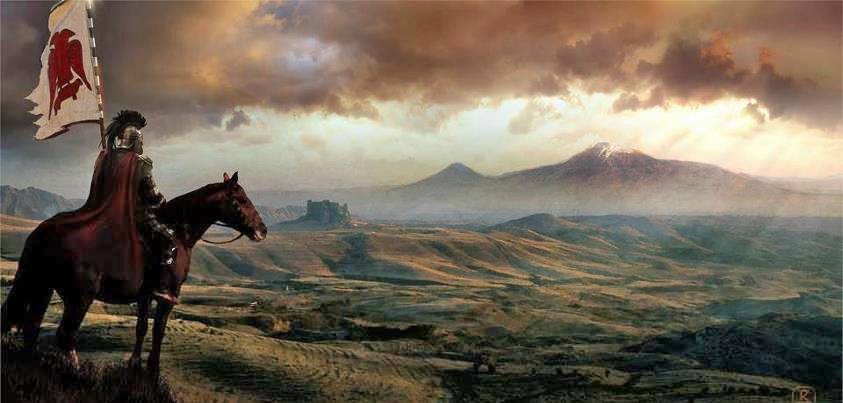
In honor of the Armenian Church’s “Feast of St. Vartan the Warrior and His Companions” (Feb. 8, 2024), read the oration Vartan delivered before his 66,000-man army, on the eve of the Battle of Avarayr in A.D 451—retold in English for a modern readership.
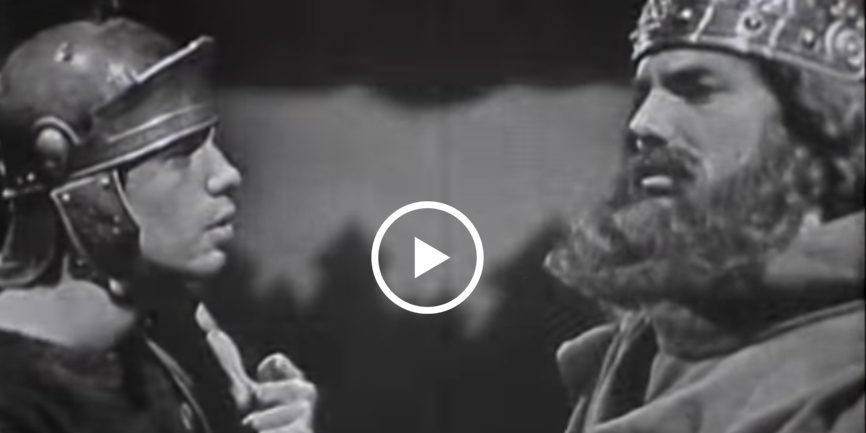
With the Feast of St. Vartan being celebrated this week (on February 8), the Eastern Diocese has dusted off a video treasure from its archives: a vintage TV retelling of the dramatic story of Vartan and the Battle of Avarayr.