
To mark Thanksgiving, Diocesan Primate Bishop Daniel issued a special greeting to the faithful of the Eastern Diocese:

To mark Thanksgiving, Diocesan Primate Bishop Daniel issued a special greeting to the faithful of the Eastern Diocese:
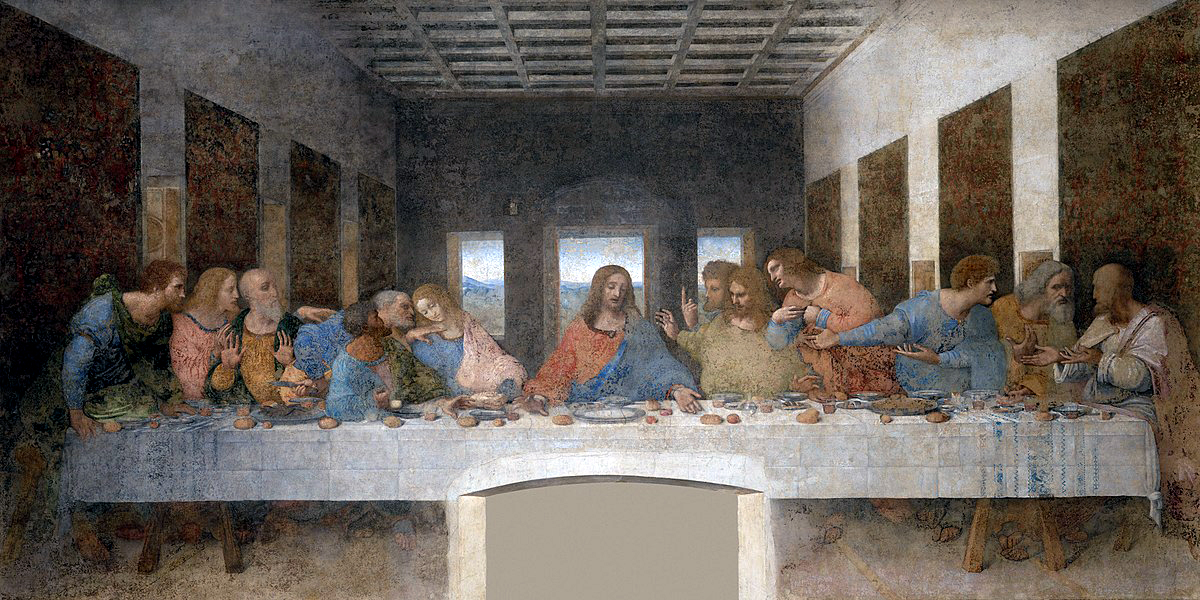
Thanksgiving is one of the most meaningful holidays of the year: a rare, uniquely American holiday, in which the whole country sets aside a day of each year to express thanks for the bounties of God.

In November every year, the Armenian Church celebrates All Saints Day. As a church we remember the good and holy people—whether known or unknown—who were spirited heroes filled with Christ’s love, endurance, and faith.

“How often have we asked the ageless questions, ‘What have we done to deserve this? What do we have to do to make amends, to make ourselves right with God?’” In a November 16 lecture, Diocesan Primate Bishop Daniel raised those questions in the context of the ongoing pandemic crisis, and the disruption it has brought to every human life.

“Be patient; keep your heart stable. For the Lord is coming, and he is at hand.” (Epistle of St. James 5:8)