It was the great religious convention of the 4th century: a gathering of Christian bishops from throughout the world, convened by no less an authority than the Roman Emperor Constantine I. This year marks its 1700th anniversary.
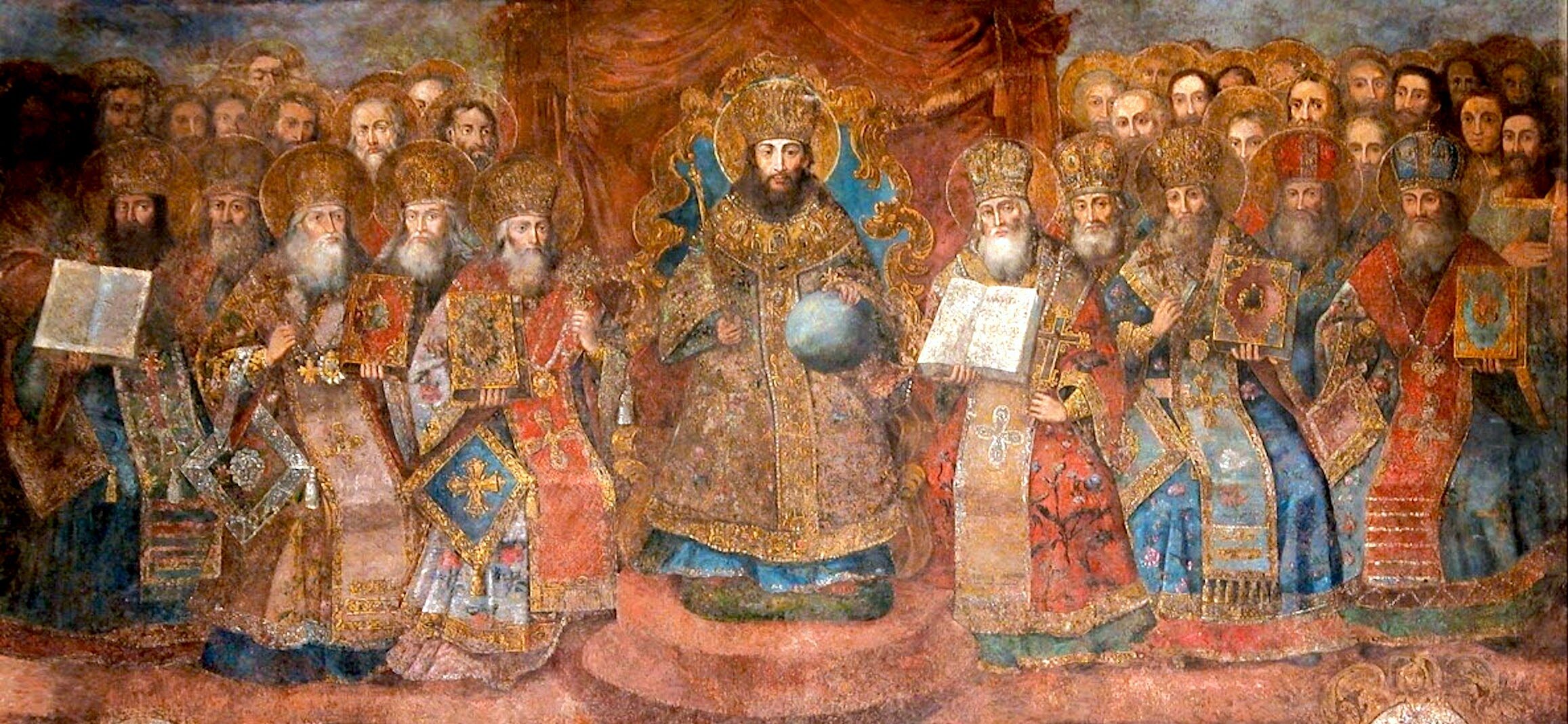
In A.D. 325, a town in the Black-Sea province of Bithynia played host to 318 scholars of the church who met to deliberate on the burning theological questions of the day. We remember it today as the Council of Nicaea: the first attempt to forge a truly “ecumenical” Christianity—that is, a Christianity that encompassed all the world’s human habitations—by coming to a consensus on church doctrine.
This year, 2025, marks the passage of 17 centuries since that historic event—and Christian churches across the globe, including the Armenian Church, have been observing the anniversary throughout the past months.
The most significant result of the council was the Nicene Creed: the first uniform expression of Christian doctrine. The Creed would be elaborated upon in subsequent councils, but its essential form, conceived during that historic gathering in Nicaea, remains the fundamental statement of orthodox faith, embraced by churches throughout the world.
A form of the Creed is repeated during every Armenian badarak as the Havadamk (“We Believe”). Scroll down to read it in Armenian and English.
Among the Armenian representatives sent to the First Ecumenical Council in A.D. 325 was St. Aristakes, the younger son of St. Gregory the Illuminator, who participated in place of his then-ailing father. To this day, the Armenian liturgical calendar devotes an annual feast day to the “318 Fathers of the Holy Council of Nicaea,” which falls in early September.
The Armenian Church’s annual feast day dedicated to the 318 Fathers of the Holy Council of Nicaea falls this year on Saturday, September 6. Most of all, throughout this milestone year for the Christian faith, give prayerful thought to the project undertaken 1,700 years ago, to unite the world’s faithful and articulate our precious beliefs.
Above: “The First Ecumenical Council,” from an 18th-century fresco at the St. Sophia Church, Kiev.
* * *
Հաւատամք
ՀԱՒԱՏԱՄՔ ի մի Աստուած, ի Հայրն ամենակալ, յարարիչն երկնի եւ երկրի, երեւելեաց եւ աներեւութից։
Եւ ի մի Տէր Յիսուս Քրիստոս, յՈրդին Աստուծոյ, ծնեալն յԱստուծոյ Հօրէ, միածին՝ այսինքն յէութենէ Հօր։
Աստուած յԱստուծոյ, լոյս ի լուսոյ, Աստուած ճշմարիտ յԱստուծոյ ճշմարտէ, ծնունդ եւ ոչ արարած։ Նոյն ինքն ի բնութենէ Հօր, որով ամենայն ինչ եղեւ յերկինս եւ ի վերայ երկրի, երեւելիք եւ աներեւոյթք։ Որ յաղագս մեր մարդկան եւ վասն մերոյ փրկութեան իջեալ ի յերկնից՝ մարմնացաւ, մարդացաւ, ծնաւ կատարելապէս ի Մարիամայ սրբոյ կուսէն Հոգւովն Սրբով։
Որով էառ զմարմին, զհոգի եւ զմիտ, եւ զամենայն որ ինչ է ի մարդ, ճշմարտապէս եւ ոչ կարծեօք։
Չարչարեալ, խաչեալ, թաղեալ, յերրորդ աւուր յարուցեալ, ելեալ ի յերկինս նովին մարմնովն, նստաւ ընդ աջմէ Հօր։
Գալոց է նովին մարմնովն եւ փառօք Հօր ի դատել զկենդանիս եւ զմեռեալս, որոյ թագաւորութեանն ոչ գոյ վախճան։
Հաւատամք եւ ի սուրբ Հոգին, յանեղն եւ ի կատարեալն․ Որ խօսեցաւ յօրէնս եւ ի մարգարէս եւ յաւետարանս․ Որ էջն ի Յորդանան, քարոզեաց զառաքեալսն, եւ բնակեցաւ ի սուրբսն։
Հաւատամք եւ ի մի միայն, ընդհանրական եւ առաքելական, Սուրբ Եկեղեցի․ ի մի մկրտութիւն, յապաշխարհութիւն, ի քաւութիւն եւ ի թողութիւն մեղաց․ ի յարութիւնն մեռելոց․ ի դատաստանն յաւիտենից հոգւոց եւ մարմնոց․ յարքայութիւնն երկնից, եւ ի կեանսն յաւիտենականս։
* * *
We Believe
WE BELIEVE in one God, the Father Almighty, maker of heaven and earth, of things visible and invisible.
And in one Lord Jesus Christ, the Son of God, begotten of God the Father, Only-begotten, that is of the substance of the Father.
God from God, Light from Light, true God from true God, begotten and not made; of the very same nature of the Father, by Whom all things came into being in heaven and on earth, visible and invisible;
Who for us human beings and for our salvation came down from heaven, took body, became human, was born perfectly of the holy virgin Mary by the Holy Spirit.
By whom He took body, soul, and mind, and everything that is in man, truly and not in semblance.
He suffered, was crucified, was buried, and rose again on the third day, and ascended into heaven with the same body and sat at the right hand of the Father.
He is to come with the same body and with the glory of the Father to judge the living and the dead; of His kingdom there is no end.
We believe also in the Holy Spirit, the uncreate and the perfect; Who spoke through the Law and through the prophets and through the Gospels;
Who came down upon the Jordan, preached through the apostles and dwelled in the saints.
We believe also in only one catholic and apostolic, and holy Church; in one baptism with repentance for the remission and forgiveness of sins; in the resurrection of the dead, in the everlasting judgement of souls and bodies, in the Kingdom of Heaven and in the life eternal.